Adhesives and Sealants: What’s the difference?

Adhesives and Sealants: What’s the difference?
While some adhesives and sealants are used in similar circumstances, they are never used for the exact same purpose. They look similar and you might find them in the same aisle, so it’s easy to think that they’re essentially the same thing, right? Actually, adhesives and sealants have entirely different functions.

The application of adhesives
The primary function of an adhesive is to bond surfaces together. This is a broad definition that is fitting because there are many different uses of adhesive in domestic, commercial or industrial settings. Have you broken a small household appliance? Or perhaps you’re an engineer who needs to create a strong bond between components? All-purpose adhesives provide the answer to many solutions and are highly useful in a range of applications.
Adhesives differ from sealants not only in terms of their intended purpose but also in their basic structure, look and feel. Adhesives are durable, rigid and hold great power in bonding components together. These instant adhesives are perfect for forming fast, strong bonds between various materials such as rubber, metal, wood and GRP plastics. They are multi-purpose, meaning they can be used for many applications, either around the house or in a professional setting.
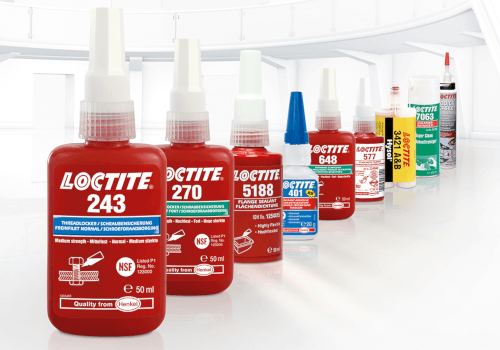
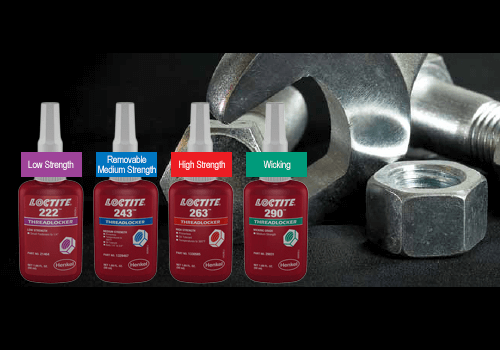
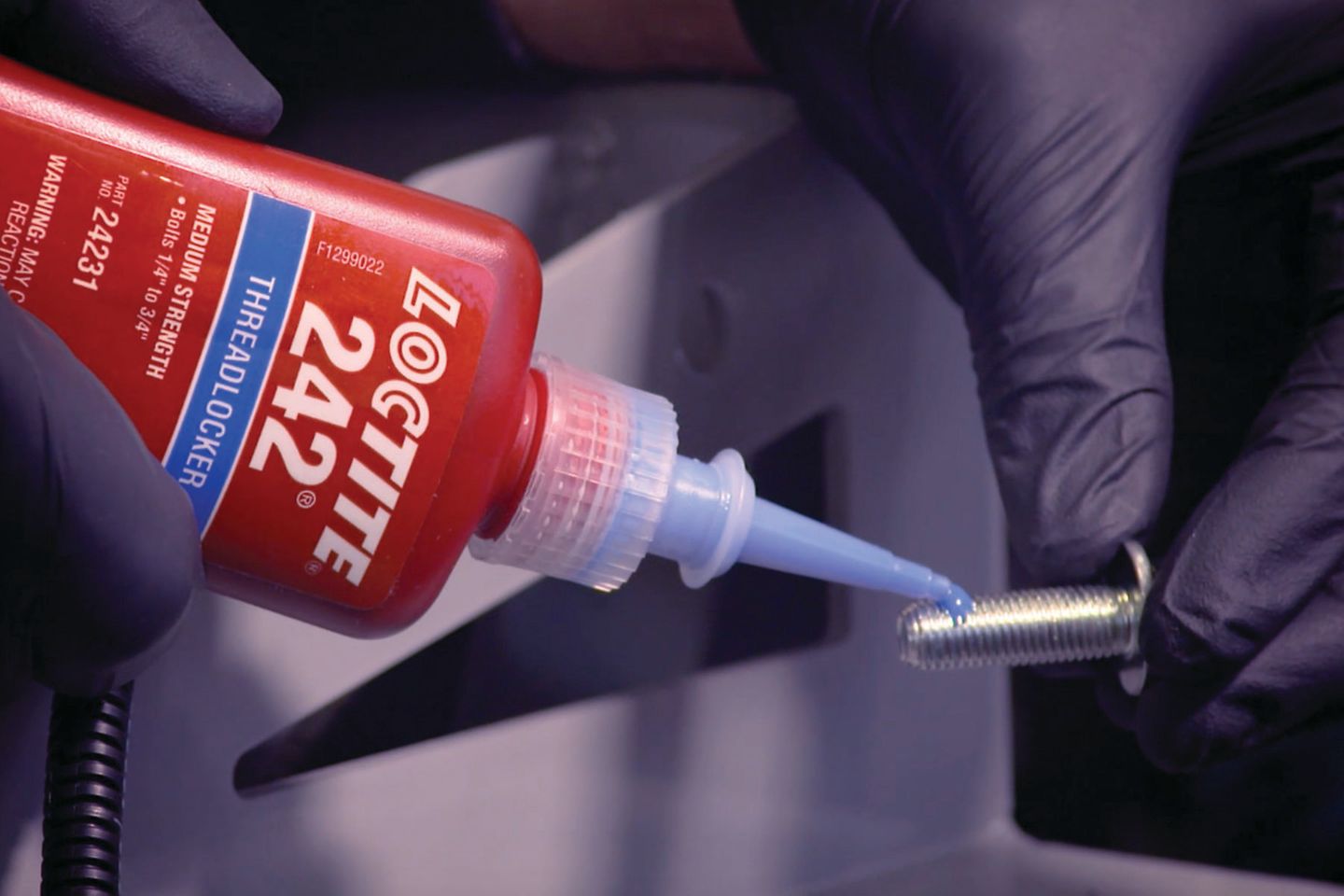
There is more than one type of adhesive. Loctite threadlockers are liquid adhesives that are used specifically for preventing vibrational loosening, which is a problem that engineers faced for a long time. Loctite threadlockers come in purple, blue, red and green, with each colour signifying a different level of strength. You might use a sealant after you have applied a threadlocker, but a sealant could not replace a threadlocker in terms of its functionality.
What are sealants used for?
Sealants are used to seal up gaps of space and create an airtight and watertight environment. This acts as a barrier that also prevents any dust or dirt from getting through. Adhesives can sometimes act as a barrier, depending on the type of binding and the materials used. However, this is not their intended purpose and you should not rely on them to prevent air, water, dirt and other substances from passing through.
Sealants are lower in strength and density than adhesives are, which allows them to be far more malleable. Being able to fit into small spaces is what allows sealants to be so effective. If you buy an adhesive and intend to use it as a sealant, don’t be surprised if you aren’t able to apply it into tight areas correctly!
Another misconception is that sealants can be used to bind things together. While sealants may look like adhesives and appear to behave in the same way, they are not designed to form strong bonds in the way that adhesives are. If you rely on the application of sealants to form a bond between materials, you are likely to end up with disappointment.
Feeling more confident about adhesives and sealants?
Now that you know the difference between adhesives and sealants, you should be in a better position to decide which one you need. These two products are very different, but the lines between them are blurred. Because they are made with similar materials, the differences between them can sometimes be unclear. But just remember that adhesives are used to bond and sealants are used to seal, and you should be just fine.
Here at V Tech SMT, we supply a wide range of adhesives and sealants. From retainers to cleaners & activators, our stock includes everything you need to complete your project. Henkel Loctite are leaders in the adhesives and sealants industry, and we would recommend them as the best all-around manufacturer of these products.
We are always happy to provide you with further assistance if necessary, so if you would like to speak with a member of our team about one of our products, feel free to give us a call today.
Related Posts


Search
Categories
Recent blog posts