Understanding the Basics of Fume & Dust Extraction

Understanding the Basics of Fume & Dust Extraction

Fume and dust extraction systems play a vital role in creating safer, cleaner, and more productive manufacturing environments.
Across industries such as electronics assembly, laser processing, additive manufacturing, printing, and 3D printing, industrial processes can generate airborne contaminants that may affect both employee wellbeing and equipment performance.
These airborne emissions often include fine dust particles, fumes, gases, and volatile organic compounds (VOCs). Without effective extraction and filtration, contaminants can accumulate within the workspace, potentially impacting air quality, increasing maintenance requirements, and reducing operational efficiency.
A properly selected and maintained extraction system helps remove these contaminants at the source, supporting workplace health initiatives while protecting sensitive equipment from dust-related contamination and downtime.
Before selecting a filtration solution, it is important to review the relevant Safety Data Sheets (SDS) for materials being processed and ensure compliance with local workplace exposure regulations and safety requirements.
As a trusted distributor of advanced manufacturing and environmental control solutions, V Tech SMT works closely with customers to identify effective fume and dust extraction systems that align with their production processes, compliance requirements, and operational goals.
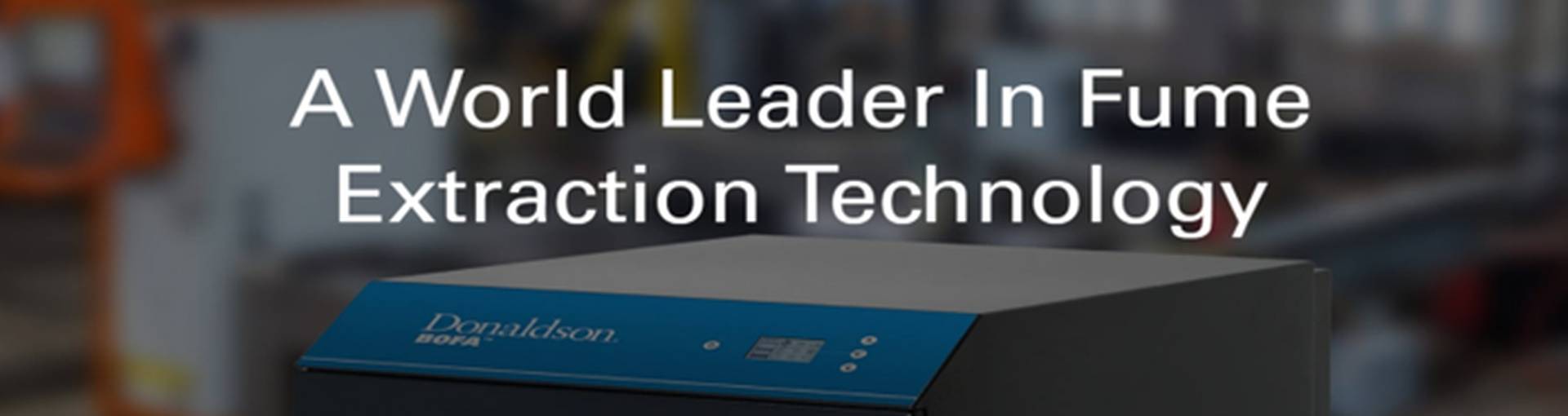
How Does Fume & Dust Extraction Technology Work?
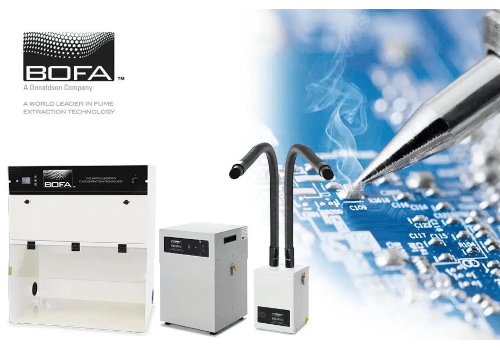
Modern extraction systems are designed to capture airborne contaminants directly from the source before they disperse throughout the workplace.
Typically, an extraction unit uses a high-performance suction system to draw contaminated air through multiple stages of filtration. Depending on the application, these stages may include:
- Pre-filters for capturing larger particles
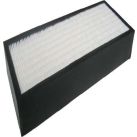
- HEPA filters for removing fine particulate matter
- Activated carbon filters for filtering fumes, gases, and VOCs
The specific filtration configuration, airflow requirements, and filter media selection depend on the process, materials, and contaminants involved.
Why Does Application-Specific Filtration Matter?
Different manufacturing processes generate different types of airborne contaminants. For example, emissions produced during soldering are significantly different from those generated during laser cutting or 3D printing.
An effective extraction solution should therefore be selected based on factors such as:
- Process type
- Material composition
- Particle size and concentration
- Gas and vapor emissions
- Production volume
Choosing the correct system helps ensure optimal filtration performance, regulatory compliance, and long-term operational reliability.
Find the Right Extraction Solution for Your Process
Whether your operation involves electronics manufacturing, laser processing, additive manufacturing, coding and marking, or other industrial applications, selecting the right extraction system is essential for maintaining a clean and efficient workplace.
V Tech SMT is a trusted distributor of industry-leading fume and dust extraction solutions, helping manufacturers identify the most suitable systems for their specific requirements. Our team can provide expert guidance on system selection, filtration technology, and ongoing support to help you achieve cleaner air, improved productivity, and greater operational confidence.
Related Posts

Search
Categories
Recent blog posts